
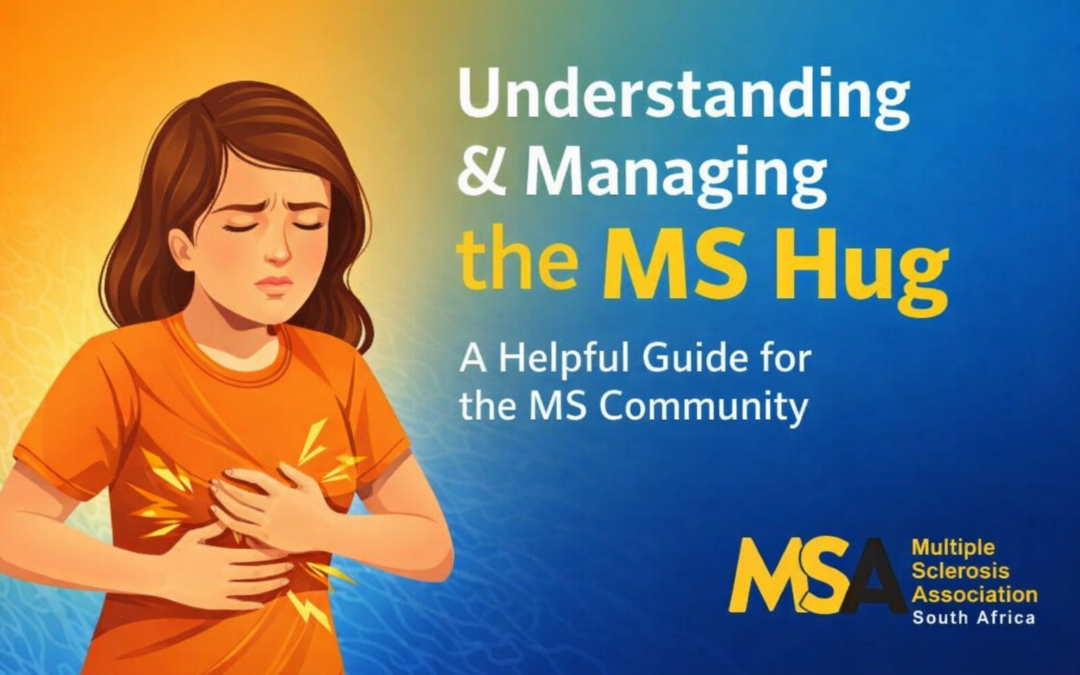
Living with multiple sclerosis (MS) means dealing with a wide range of symptoms some visible, some invisible, but all real. One of the more misunderstood and often frightening sensations people with MS experience is the MS hug yet another way MS can affect the nervous system. In this article, we break down what the MS hug is, what it feels like, how to tell it apart from other conditions, and practical strategies to manage it and maintain quality of life. We also link to a reliable reference article from Multiple Sclerosis News Today that provides more detailed medical insights.
What Is the MS Hug?
Despite its comforting name, the MS hug is not a hug at all. It’s a sensory symptom of MS that many people describe as a tight band or squeezing sensation around the chest, torso, or even abdomen. This sensation is thought to be caused by spasms in the muscles between the ribs (intercostal muscles) or abnormal nerve activity due to demyelination the damage MS causes to the nervous system.
People often describe it as:
-
Tightness or squeezing around the chest or torso
-
Pressure or discomfort like a band tightening around the body
-
Pain ranging from mild to intense
-
Burning, tingling, or “pins and needles” sensations
-
Difficulty breathing due to the sensation (though lungs themselves are usually unaffected)
Each person’s experience can be different and the sensation may last from seconds to hours, or rarely even days.
👉 Learn more about the MS hug from the original article on http://MultipleSclerosisNewstoday.com
When to Seek Medical Help
Because the MS hug can feel very similar to other serious conditions like heart attack pain or severe indigestion it’s important to understand when to seek immediate medical help:
-
First-time chest tightness or pain
-
Severe discomfort that doesn’t ease with usual strategies
-
Shortness of breath or other concerning symptoms
Even if it later turns out to be an MS symptom, rule out serious conditions first.
Triggers: What Can Bring On an MS Hug?
Identifying what might trigger an MS hug can help you prepare or even avoid episodes. Common triggers include:
-
Stress and fatigue
-
Sudden temperature changes
-
Large meals
-
Illness or general physical strain
Learning your personal triggers is a helpful part of symptom management.
Practical Ways to Manage the MS Hug
While there’s no one-size-fits-all cure, there are strategies people with MS use to reduce the intensity or frequency of MS hugs:
🧠 Know Your Symptoms
Understanding how an MS hug feels for you makes it easier to identify and manage episodes without panic. Discuss your experiences with your neurologist or MS care team.
🧘 Relaxation & Breathing Techniques
Gentle breathing exercises, mindfulness, and relaxation can reduce muscle tension during an episode.
🧴 Heat or Cold Therapy
Warm compresses or a heating pad often help ease muscle spasms many people find this soothing. Some find cold helpful instead.
🚶 Gentle Movement
Light stretching, walking, or gentle yoga may help reduce tightness before it becomes painful.
💊 Medications and Medical Options
In cases of frequent or severe discomfort, your doctor may recommend medications that help with nerve pain or muscle spasms such as antispastic agents, anticonvulsants, or neuropathic pain treatments.
🧘♀️ Complementary Approaches
Options such as acupuncture, aromatherapy, or magnesium supplementation may help some people always check with your Doctor first.
Living Well With the MS Hug
Living with MS including symptoms like the MS hug is deeply personal. For many, understanding and sharing experiences makes the journey feel less isolating. We encourage you to share your story, ask questions, and connect with others in the MS community. The more we understand symptoms like the MS hug together, the better we can support each other.🙌
📌 For deeper medical context and full details, check out the full article: http://MultipleSclerosisNewstoday.com